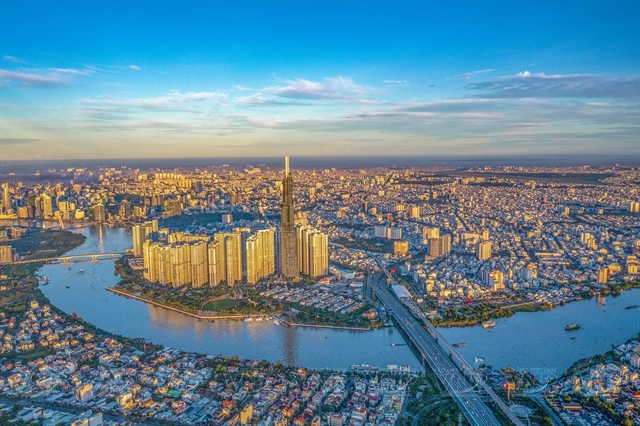

Ultra Luxury Apartments in HCMC Reach Up to VND 1 Billion per M²
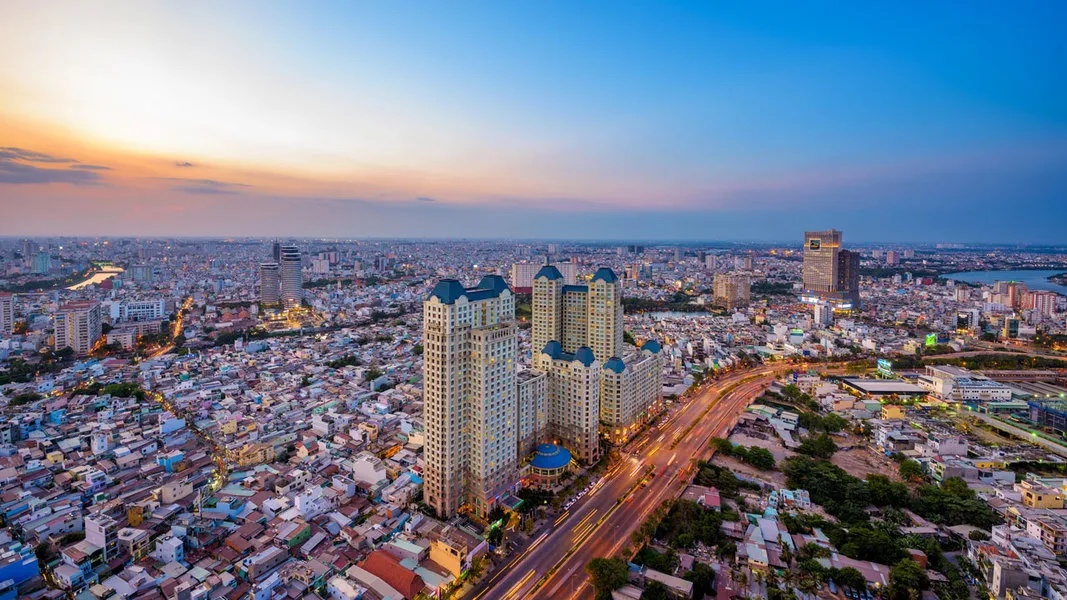
The Ultra luxury apartment segment in Ho Chi Minh City has approached an average price of VND 470 million per m², with peak prices reaching up to VND 1 billion per m², according to experts.
In Q2, the average primary price for ultra-luxury apartments in HCMC neared USD 18,000 (nearly VND 470 million) per m², according to Avison Young Vietnam.
This figure is more than double the general luxury segment in the city, which sits above USD 8,000 (over VND 200 million) per m², and 3 to 5 times higher than primary central prices, which fluctuate between USD 3,500 and 5,900 (VND 91 to 155 million) per m².
At a recent real estate forum, Mr. Nguyen Thai Binh, Vice President of the Vietnam Association of Realtors (VARS) and CEO of Dong Tay Land, confirmed that apartment prices in core central HCMC currently range from VND 200 million to 500 million per m². A few projects near Ben Thanh Market have even hit the VND 1 billion per m² mark.
According to Mr. Binh, these premium prices reflect developers' high expectations regarding brand equity and prime, irreplaceable locations. However, these developments strictly cater to a small, ultra-wealthy demographic.
"These steep prices make central real estate an exclusive game with limited participation. The vast majority of investors cannot access this segment due to capital constraints," Mr. Binh noted.
In reality, projects near Ben Thanh Market priced at nearly VND 1 billion per m² belong to the "Branded Residences" category currently emerging in HCMC and Hanoi. In urban settings, Branded Residences are prime central developments operated by top-tier international brands such as Marriott International, The Ritz-Carlton, or Elie Saab.
According to Savills' Branded Residences 2025–2026 report, Vietnam ranks 4th globally in the number of branded real estate projects, trailing only the US, Saudi Arabia, and Mexico. The market records over 50 projects tied to 34 international brands across multiple locations.
A report by C9 Hotelworks also shows that Vietnam accounts for 41% of the Asian supply pipeline for branded real estate, the highest share in the region. Among ongoing projects, urban supply makes up about 60%, a sharp increase from the 28% share of completed projects, which were historically coastal resorts.
According to Mr. Mauro Gasparotti, Senior Director for Southeast Asia at Savills Hotels, the market is observing strong interest in the urban Branded Residence model in both HCMC and Hanoi. "This segment is expected to grow strongly in the coming period, as developers focus more on creating project differentiation and offering value-add to buyers," he remarked.
The primary driver of the ultra-luxury market is the Ultra High Net Worth Individual (UHNWI) demographic. Knight Frank’s Wealth Report predicts the number of individuals in Vietnam with a net worth of USD 30 million or more will grow by 59% over the next 5 years, among the fastest growth rates in the region.
With the VND 500 million to 1 billion per m² market in central HCMC catering exclusively to UHNWIs, retail investors with modest capital or mid-income end-users are moving along technical infrastructure axes and HCMC's expanding urban footprint to find affordable options.
"As inner-city land funds become increasingly constrained and scarce, capital must forge new paths. This movement is strongly supported by the rapid expansion of inter-regional transport networks," Mr. Binh stated.
In Q2, the primary apartment market in neighboring Binh Duong recorded average prices around USD 2,000–2,900 (VND 52–75 million) per m², while former Ba Ria - Vung Tau reached USD 1,800–5,200 (VND 47–135 million) per m², according to Avison Young.
However, experts note that a wait-and-see sentiment regarding interest rate stability and expectations for more reasonable pricing are causing a segment of buyers to temporarily defer purchasing decisions.
From 2027 to 2030, the HCMC market is expected to add over 30,000 new apartments annually. Transit-Oriented Development (TOD) along metro stations and the completion of inter-regional infrastructure, particularly Ring Road 3, are projected to increase the proportion of mid-tier apartments from 2027 onward.
"This will become the dominant segment fulfilling real housing demand for young buyers and mid-income workers as central prices remain out of reach," Avison Young forecasted.