
VIETNAM INVESTMENT ENTERS A NEW ERA OF STRATEGIC CAPITAL
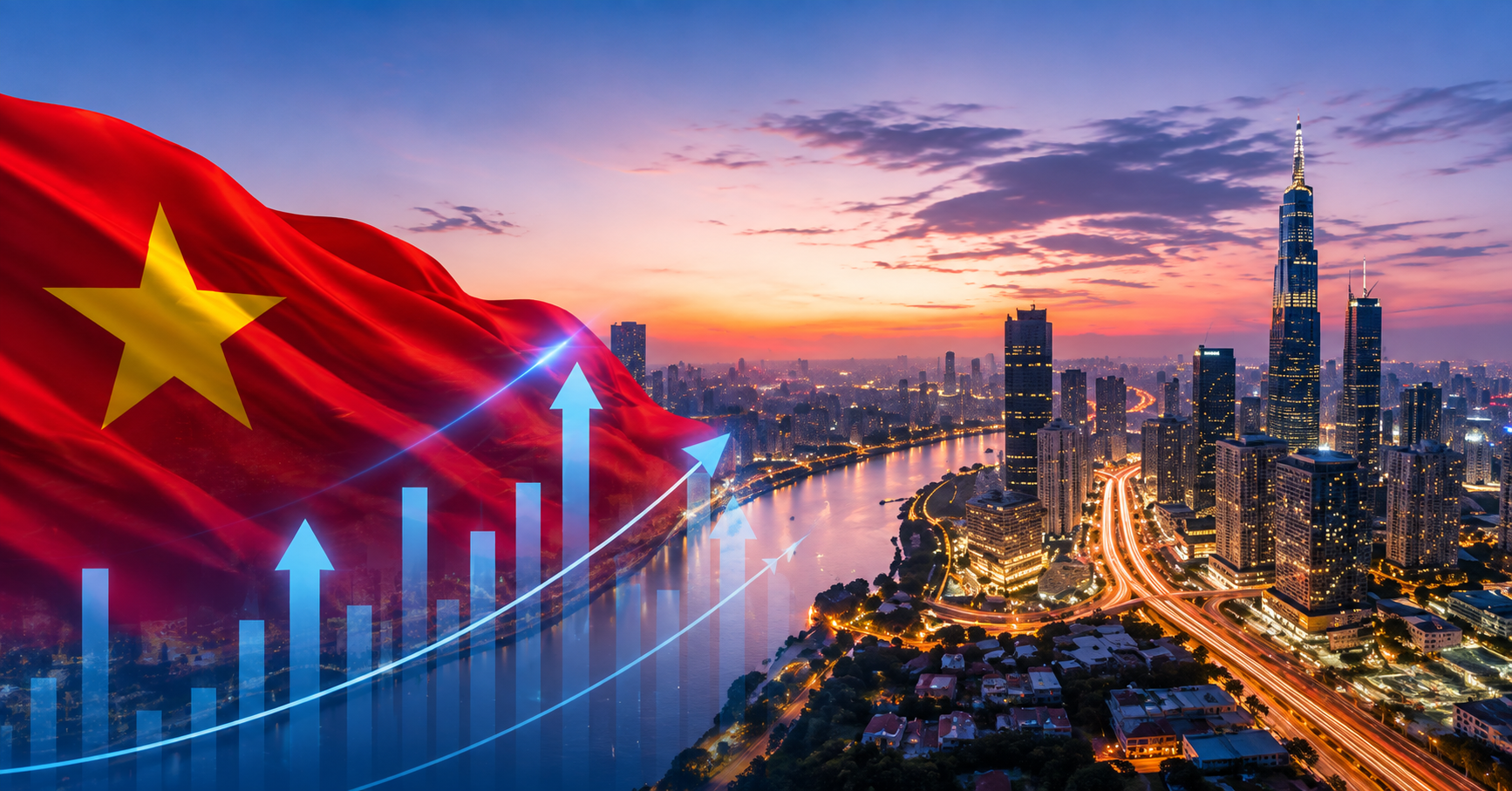
Vietnam investment is entering a new chapter as the country moves beyond its traditional advantages in manufacturing costs and increasingly positions itself as a destination for strategic global capital.
With foreign direct investment maintaining strong momentum in 2026, Vietnam is attracting growing interest across semiconductors, artificial intelligence, data centers, advanced manufacturing, green energy and smart infrastructure. The shift signals an important transformation: Vietnam is no longer competing on cost alone, but increasingly on its ability to attract higher-value investment.
Vietnam FDI Maintains Strong Momentum in 2026
Foreign direct investment continues to provide an important foundation for Vietnam’s economic growth.
According to figures presented in the infographic, newly registered FDI reached approximately US$38.1 billion in the January–June 2026 period, up 36% year-on-year.
Realized FDI reached US$15.2 billion, representing an increase of 8.1%, while the number of new FDI projects rose to 3,321, up 27.6%. Foreign-invested businesses also contributed to approximately 212,000 jobs during the period.
The figures underline Vietnam’s continued ability to attract international capital despite an increasingly competitive global investment environment.
Strategic Capital Moves Into Higher-Value Sectors
A notable change in Vietnam investment is the type of industries attracting attention.
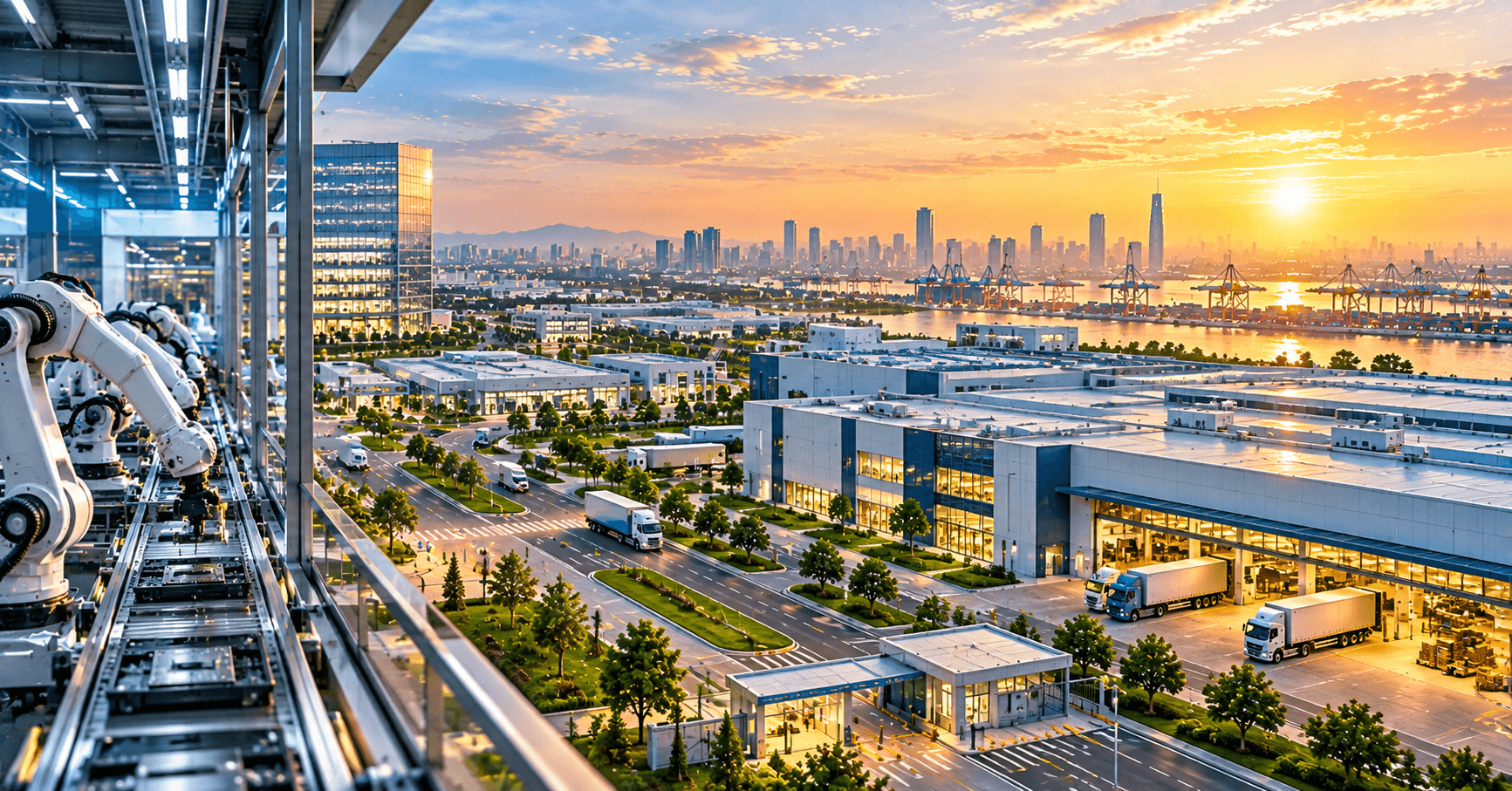
Priority sectors now extend beyond conventional manufacturing to include semiconductors and electronics, AI and data centers, cloud and digital infrastructure, research and development, 5G and advanced technologies, high-tech manufacturing, green energy and sustainability, logistics and smart infrastructure.
This shift reflects Vietnam’s ambition to move further up the global value chain while developing an economy increasingly driven by technology, productivity and innovation.
Global Technology Companies Continue to Choose Vietnam
Vietnam’s growing role in global technology supply chains is also reflected in investment from major international corporations.
Samsung has established a significant presence in the country, while Intel, Amkor Technology and Hana Micron are among the companies contributing to the development of Vietnam’s semiconductor and electronics ecosystem.
The infographic also highlights a US$1.5 billion semiconductor testing facility in northern Vietnam, demonstrating the growing scale of investment in this sector.
Vietnam’s semiconductor industry is targeting more than US$23 billion in revenue in 2026, with at least 75 design companies and expanded foreign investment attraction.
Investor Confidence Approaches a Seven-Year High
Positive capital flows are being accompanied by stronger business confidence.
According to the EuroCham Business Confidence Index cited in the infographic, Vietnam reached 79.7 points in Q2 2026, approaching a seven-year high.
Among surveyed businesses, 54% viewed Vietnam as a core strategic market and operational base, while 18% considered the country a major growth location. Another 28% planned to expand their investment in Vietnam over the next two years.
These figures indicate that foreign businesses are increasingly considering Vietnam as part of their long-term regional strategies.
Challenges Remain for Vietnam Investment
Despite positive momentum, several challenges still need to be addressed.
The infographic indicates that 53% of respondents cited regulatory delays, policy inconsistencies and tax administration as major obstacles, while 38% highlighted talent shortages.
Logistics costs and energy and fuel costs were also identified as concerns by 78% and 76% of respondents respectively.
Improving infrastructure, administrative efficiency, energy supply and workforce quality will therefore be important for Vietnam to convert growing investor interest into sustainable long-term capital.
From Manufacturing Hub to Strategic Investment Destination
Vietnam’s next investment opportunities are expected to extend well beyond manufacturing.
Technology and innovation, infrastructure and energy, industrial real estate, advanced services and logistics, hospitality and the consumer economy could all benefit as Vietnam moves toward higher-value economic activities.
A stable economy, young and skilled workforce, strategic location and deeper integration with the global economy provide an increasingly competitive foundation.
The next phase of Vietnam investment will therefore be defined not simply by how much capital the country attracts, but by the quality, technology and long-term value that capital brings.
Vietnam is no longer competing on cost alone. It is competing for strategic capital.