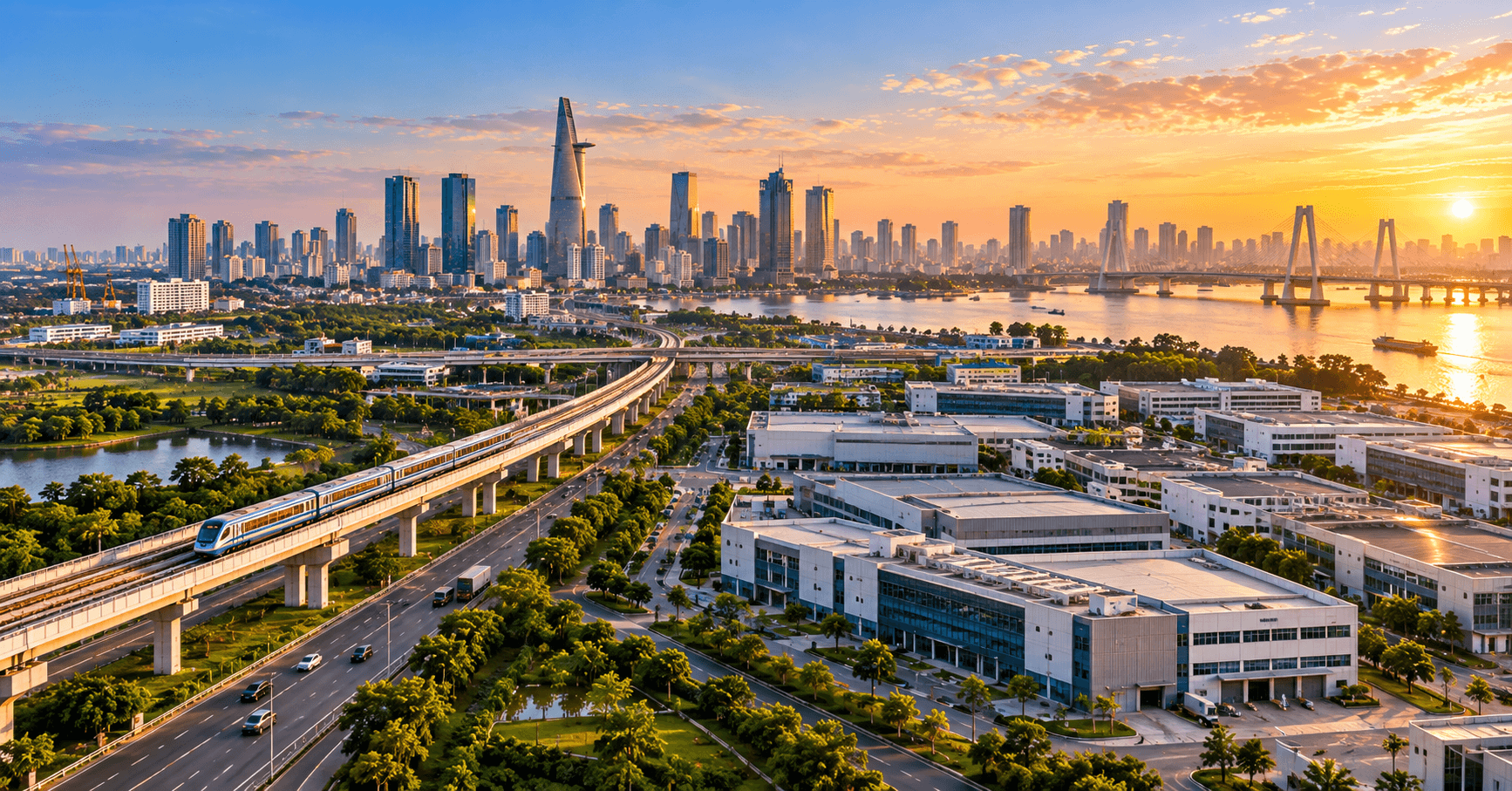

INDUSTRIALIZATION IN VIETNAM: THE JOURNEY OF ECONOMIC TRANSFORMATION AND DEVELOPMENT
Industrialization in Vietnam has played an important role in changing the country’s economic structure, improving production capacity, and helping Vietnam join global value chains. From an economy mainly based on agriculture, Vietnam has gradually developed toward a modern industrial economy supported by technology, innovation, and digital transformation.
WHAT IS INDUSTRIALIZATION?
Industrialization is the process of moving from production based mainly on manual labor to production using machines, technology, and modern methods.
In Vietnam, industrialization today is closely linked with modernization. It is not only about building more factories or industrial parks. It also includes improving technology, increasing labor productivity, developing skilled workers, and changing the structure of the economy.
FROM INDUSTRIALIZATION TO MODERNIZATION
Before the Đổi Mới reform period, Vietnam focused on basic industries such as electricity, coal, machinery, metallurgy, construction materials, and chemicals. However, limited economic resources and technology created many challenges.
Since 1986, Vietnam has entered a new stage of development. The country gradually opened its economy, expanded export manufacturing, attracted foreign investment, and increased international economic integration.
Industrialization has since become more closely connected with modernization, science, and technology.
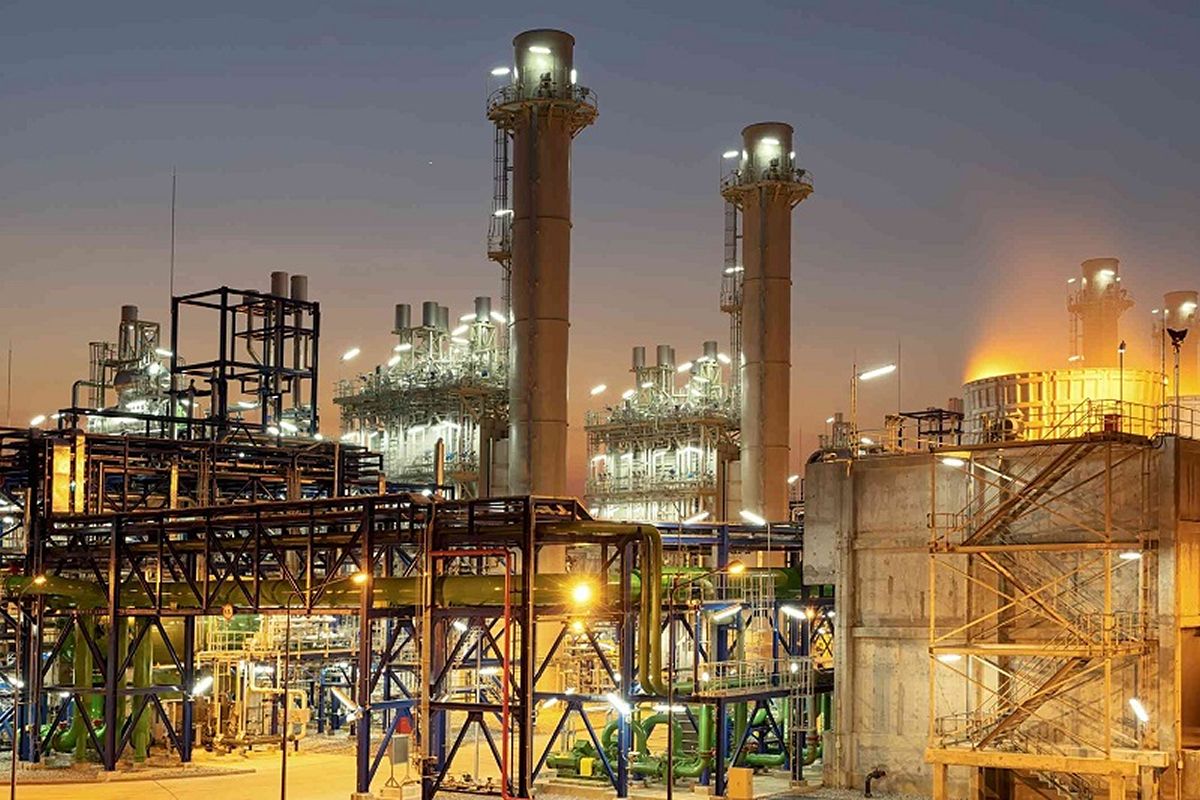
MOVING TOWARD HIGHER-VALUE INDUSTRIES
Industrial development can move from simple assembly to OEM manufacturing, ODM design and manufacturing, and finally OBM, where companies develop and sell products under their own brands.
This is also an important direction for Vietnam. Instead of depending mainly on low-cost labor and assembly, the country is working to increase technology use, local value, and production capacity.
Machinery, manufacturing, energy, chemicals, and supporting industries remain important. At the same time, electronics, information technology, telecommunications, clean energy, and smart manufacturing are becoming increasingly important.
TECHNOLOGY AND DIGITAL TRANSFORMATION CREATE NEW GROWTH
The Fourth Industrial Revolution is creating new opportunities through automation, data, digital technology, and smart production.
For Vietnam, industrialization is no longer only about increasing production. Businesses also need to improve equipment, use new technologies, increase productivity, and create products with higher added value.
This can help Vietnam gradually move from an economy based on low labor costs toward one based more on technology, productivity, and stronger production capabilities.
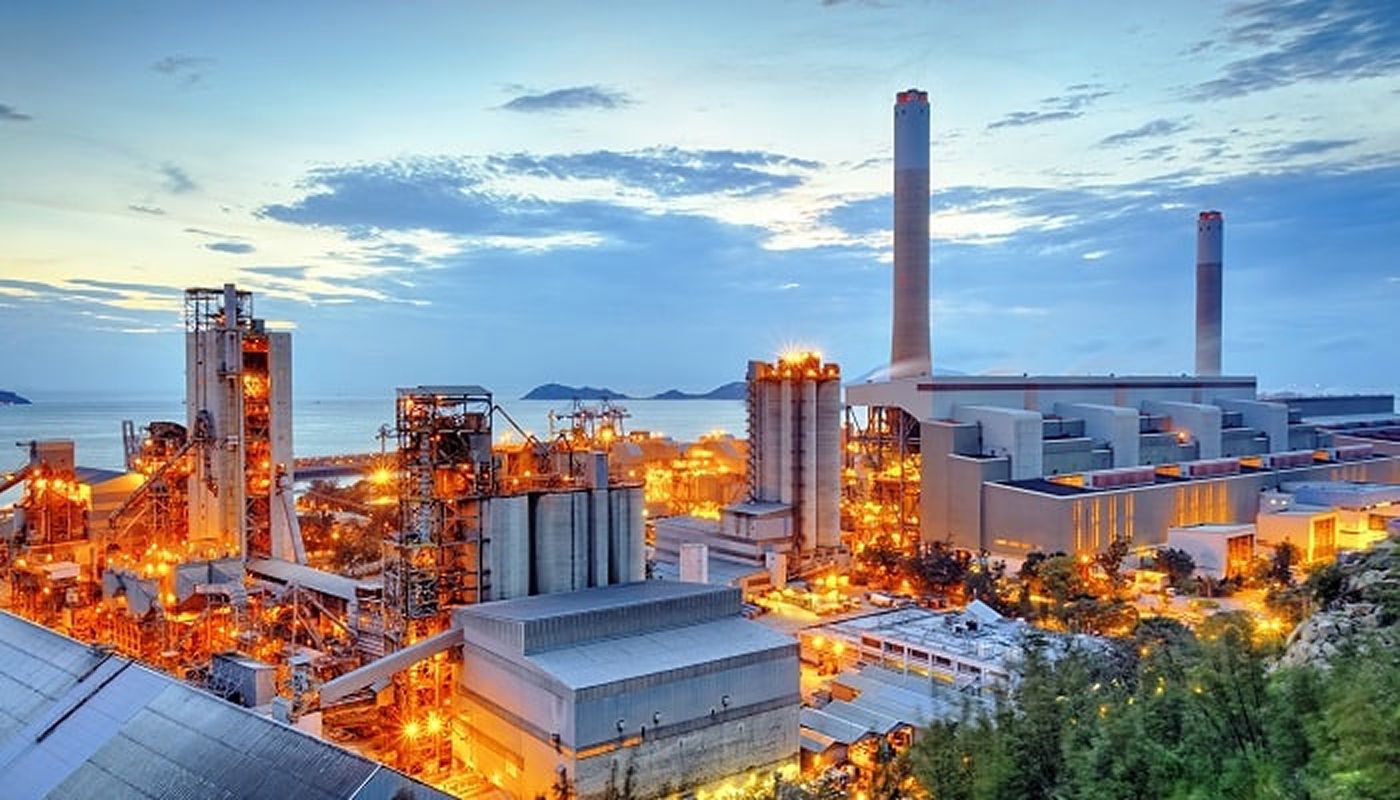
DEEPER PARTICIPATION IN GLOBAL VALUE CHAINS
As an open economy, Vietnam’s industrialization is closely connected with international trade and global production networks.
The goal is not only to increase exports but also to improve the position of Vietnamese businesses in global value chains, develop supporting industries, and create more value inside the country.
Industrialization and modernization will therefore remain important to Vietnam’s economic development. Technology, innovation, digital transformation, and higher-value industries will be key factors in improving the country’s competitiveness in the coming years.